Wealth Management in the AI Era
Raghav Iyengar expects AI to take on more investment analysis, but says human judgment, investor trust and a clear financial plan will matter even more.
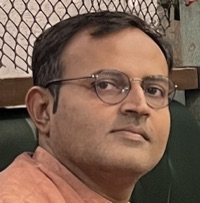
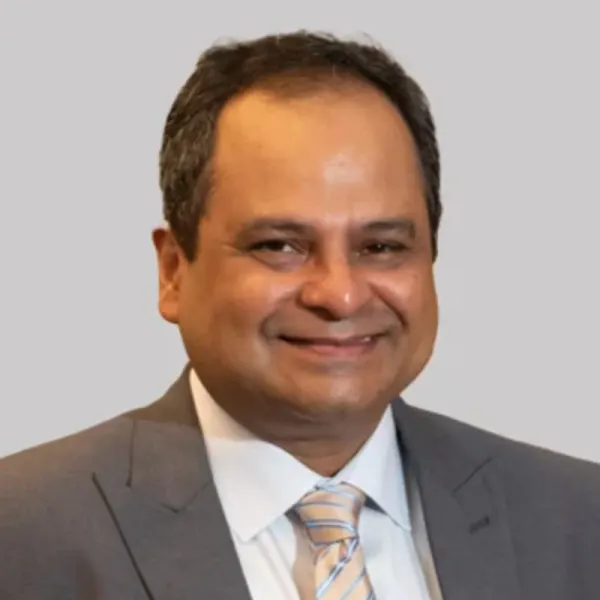
Article by Sachin Kabra. Guest: Raghav Iyengar, CEO of 360 ONE Asset Management.
Published Video uploaded Read the article ↓
What Raghav wants investors to keep in view
- Raghav expects AI to shoulder more investment research, but says people must question and interpret its output.
- He cautioned investors against chasing recent returns or copying someone else’s portfolio.
- His proposed order: protect income, keep an emergency reserve, map goals, then invest toward each time-bound need.
- He urges investors to understand each product and review their portfolios instead of reacting to every market headline.
Based on Raghav Iyengar’s comments in the episode; not an individual investment recommendation.
Investment & technology
How AI could reshape investment management
AI could take on a much larger share of investment analysis over the next decade. Raghav Iyengar told Foliyo co-founder Sachin Kabra that this will make human judgment, investor trust and a clear financial plan more valuable. Linked timestamps open the relevant parts of the interview.
02:01 India’s shift from saving to investing
India’s retail investing landscape has changed dramatically over Raghav Iyengar’s three decades in financial services. In an interview with Foliyo co-founder Sachin Kabra, the CEO of 360 ONE Asset Management said the country has always saved; the bigger shift has been directing more of that money into productive investments.
Iyengar credited investor education, clearer disclosures, digital access and regulation with making mutual funds more familiar to households. He also pointed to the systematic investment plan as a way to turn regular saving into a steady investing habit. The mechanics have changed—from paper forms and cheques to online platforms—but his core message has not: equity investors need patience, especially when markets go through flat periods.
13:00 More products mean more decisions
Iyengar expects India’s investor base and its range of investment options to keep growing. He described a market that now offers products for different risk appetites, liquidity needs and investment sizes, including specialised investment funds for investors seeking more flexibility than a conventional mutual fund may provide.
But a wider menu can make selection harder. Iyengar cautioned investors against chasing recent returns or copying a colleague, influencer or friend. He urged them to connect each investment to a goal and understand the product before committing money. Disclosures and benchmarks can help investors ask better questions, he said, but they do not remove the need to know what a portfolio owns.
24:00 AI may do more of the analysis. People still make the call.
Iyengar sees artificial intelligence taking on a larger share of investment research. He described investment work as both art and science: AI can process data and surface patterns, while people must frame the questions, test the output and decide whether it belongs in a portfolio.
At 360 ONE, he said, analysts and fund managers use an internal research repository and review machine-generated findings together. Iyengar expects those tools to become more capable; he suggested that AI could do as much as 95% of a fund manager’s job within a decade. That forecast does not make the human layer redundant. If firms use similar data and systems, he warned, their analysis may start to look alike. Team culture, creativity and risk judgment can still distinguish one investment process from another.
He sees a similar limit in investor support. AI can make information and routine service easier to scale, but a nervous investor may still need a trusted person who understands the goal behind the money and can help make sense of conflicting advice.
30:00 A plan can cut through investment paralysis
Iyengar warned that a flood of financial content can leave investors less certain about what to do. Reading several conflicting opinions, he said, can create paralysis instead of a decision. His advice was to begin with household finances, not with a search for the best-performing fund.
He laid out a practical order: understand income, spending and savings; arrange life and health insurance; keep an emergency reserve suited to the stability of the investor’s work; then set goals and assign money to the time horizons those goals require. That could mean planning for retirement, a home, children’s needs or other major expenses.
Iyengar said investors have more control over how much they contribute and how long they stay invested than over the returns they receive. For people who are not investment professionals, he advised setting a sound plan, reviewing it periodically and getting back to their day job instead of constantly refining the portfolio.
35:50 Big themes still bring risk
Iyengar called artificial intelligence a major economic shift, but cautioned that a powerful theme will still produce winners and losers. He compared the current moment with earlier technology cycles, when many prominent companies failed to survive even as the underlying change reshaped business.
For India, he named energy demand, renewables, manufacturing, financial services, defence and rising premium consumption as areas to watch. He also warned that market cycles are getting shorter, making it easier for investors to be distracted by each new headline. These were his observations about economic change, not a list of investments for every portfolio.
Iyengar also sees overseas investments becoming a larger part of some affluent investors’ portfolios. But he cautioned that easy access does not guarantee a suitable choice: investors should know what sits inside a fund or ETF, why they are buying it and how it fits with their wider plan.
44:19 Investment firms will need to show how they work
As AI tools influence product discovery, Iyengar expects investors and their digital assistants to compare more than recent performance. Firms may need to make their investment process, team experience and other relevant information easy to find and assess.
He said asset managers will still need to put investors first, whether they compete through technology, investment expertise or education. Iyengar also warned that AI could add to information overload if firms focus on producing more material instead of helping investors make clear decisions.
49:01 Review the process, not just the returns
In a closing round of questions, Iyengar advised investors to examine how a fund is managed instead of choosing it because of recent performance. He recommended a periodic portfolio review and said he tries to do one annually when nothing significant has changed.
For busy investors, his final recommendation was to find a reliable financial partner. Iyengar said a good adviser can give an investment plan more discipline and purpose, and challenge choices before they become costly mistakes. As AI makes more analysis available, he argued, the harder task may be deciding which information matters and what the money is meant to do.